

Philip ’21
Greece

The Core Curriculum
Columbia University
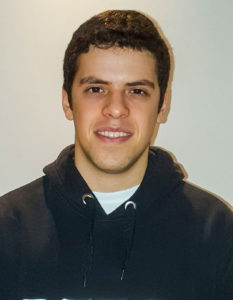 Philip approached The Short List as a sophomore wanting to discuss whether he should continue following the Greek national curriculum or move to an International Baccalaureate (IB) curriculum for his final two years of high school. That was not the last time we would discuss curriculums with him.
The Greek refugee crisis dominated Philip’s high school years. He co-founded Make A Difference with some high school friends and organized a basketball fundraiser featuring a game between his basketball team and a refugee team. He liked being a leader and expressed an interest in touring USA colleges with strong business programs. We got him involved in test prep, believing top scores would open opportunities, and we helped map out a college tour that included a stop in New York City to visit Columbia.
On his return to Athens, Philip wanted to make a more lasting impact in the refugee crisis, so he joined The Home Project, an organization hiring math tutors to work with young refugees. The Short List also helped Philip explore organizing a summer math camp for refugees, but COVID prevented his plan from moving forward.
We began brainstorming alternative summer initiatives, including a webinar series, applying for a prestigious online research program, and securing an internship with a national bank. His thinking began to shift that summer as he explored COVID’s economic impact on the European Union while working on the research project.
That fall, Philip said he no longer wanted to focus on a narrow pre-professional business curriculum. He began seeing himself as a social scientist and decided to apply Early Decision to Columbia for their renowned economics program and Core curriculum.
We brainstormed responses to Columbia’s supplemental questions and encouraged him to share how writing his research paper and his direct experience with the refugee crisis had shaped his concern for humanity. Philip was thrilled when Columbia made him an offer in a year their acceptance rate dropped below 4% for the first time in the school’s history.


 When Meg was a college senior in suburban Ohio, she submitted an application to join a tutoring program in Boston. At the time two things motivated her: she wanted to be a teacher, and she wanted to live in a big city. She traveled to Boston for the final round of interviews and spent a day student teaching. The day was challenging. She found herself losing patience with the students when they did not understand the concepts she was trying to explain. She began to question whether teaching was the right fit for her, and the interviewers agreed. She did not move forward with the program.